
Lemon Sponge Cake Recipe That Is Easy to Make
There is something truly magical about the aroma of a Lemon Sponge Cake wafting through the kitchen. It is a scent that promises brightness, comfort, and a little slice of sunshine, no matter the weather outside. I still remember the first time I baked one for a family gathering; the golden, fluffy cake disappeared within minutes, leaving everyone asking for the recipe. This isn’t just a dessert; it’s an experience a delightful balance of sweet and tangy that dances on your tongue.
The Lemon Sponge Cake, a cousin to the classic British teatime treats, has a history as rich as its flavor. While lemons themselves were once exotic imports brought by seafarers, they eventually found a permanent home in European baking . Evolving from the dense pound cakes of the 17th century, the sponge cake we know and love today became popular for its light, airy texture, thanks to the technique of whipping eggs to incorporate air . This particular recipe captures that legacy but simplifies it for the modern home baker. It’s quick to whip up, uses budget-friendly ingredients, and delivers a moist lemon sponge cake that is anything but ordinary. If you’re looking for an easy lemon sponge cake that feels special, you’ve found it.

Why You’ll Love This Recipe
- The Texture: It’s an incredibly soft lemon sponge cake that melts in your mouth.
- Balanced Flavor: It’s sweet but carries a sophisticated tartness that prevents it from being cloying.
- Versatility: You can dress it up with a fancy glaze or keep it simple with a dusting of powdered sugar.
- Foolproof Method: We’ve tested the ratios to ensure success even for beginner bakers.
Table of Contents
Ingredients for the Perfect Lemon Sponge Cake
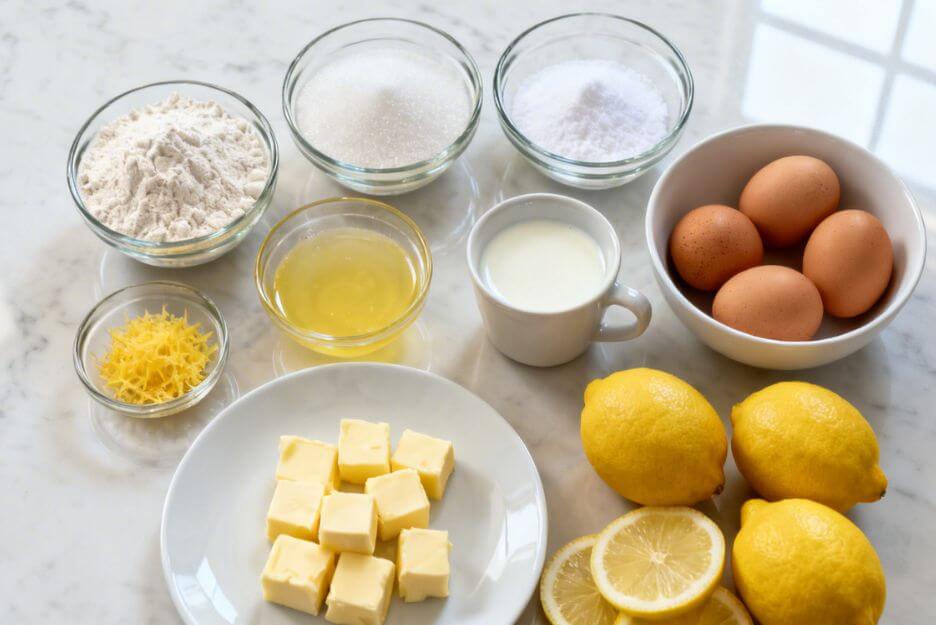
To achieve a fluffy lemon sponge cake, ingredient quality and temperature are key. Ensure your dairy and eggs are at room temperature to create a smooth, stable emulsion.
For the Sponge:
- All-Purpose Flour: 250g (approx. 2 cups), sifted.
- Granulated Sugar: 200g (1 cup).
- Unsalted Butter: 225g (1 cup), softened to room temperature.
- Large Eggs: 4, room temperature.
- Baking Powder: 2 teaspoons.
- Fresh Lemon Zest: 2 large lemons, Use untreated or organic lemons for the best, most aromatic zest.
- Fresh Lemon Juice: 2 tablespoons.
- Whole Milk: 3 tablespoons.
- Salt: ½ teaspoon.
For the Lemon Glaze (Optional but Recommended):
- Powdered Sugar: 150g (1 ¼ cups).
- Fresh Lemon Juice: 2–3 tablespoons (adjust for consistency).
- Lemon Zest: For garnish.
Substitutions & Dietary Notes
- Gluten-Free: Replace all-purpose flour with a 1:1 gluten-free baking blend that contains xanthan gum.
- Dairy-Free: Use a high-quality vegan butter stick and almond or oat milk.
- Egg-Free: While sponge cakes rely heavily on eggs, you can use a commercial egg replacer, though the height may vary slightly.
Equipment & Tools Needed
You don’t need a professional bakery setup to make a moist lemon sponge cake, but a few specific tools make the process much smoother:
- 8-inch Round Cake Pan
- Electric Hand Mixer or Stand Mixer: Essential for aerating the butter and sugar.
- Fine-Mesh Sieve: For sifting flour to avoid lumps.
- Zester or Microplane: For getting all that wonderful lemon zest.
- Spatula: For gentle folding.
- Parchment Paper: For easy removal.
Step-by-Step Instructions
Follow these steps closely to ensure your Lemon Sponge Cake turns out light and airy.
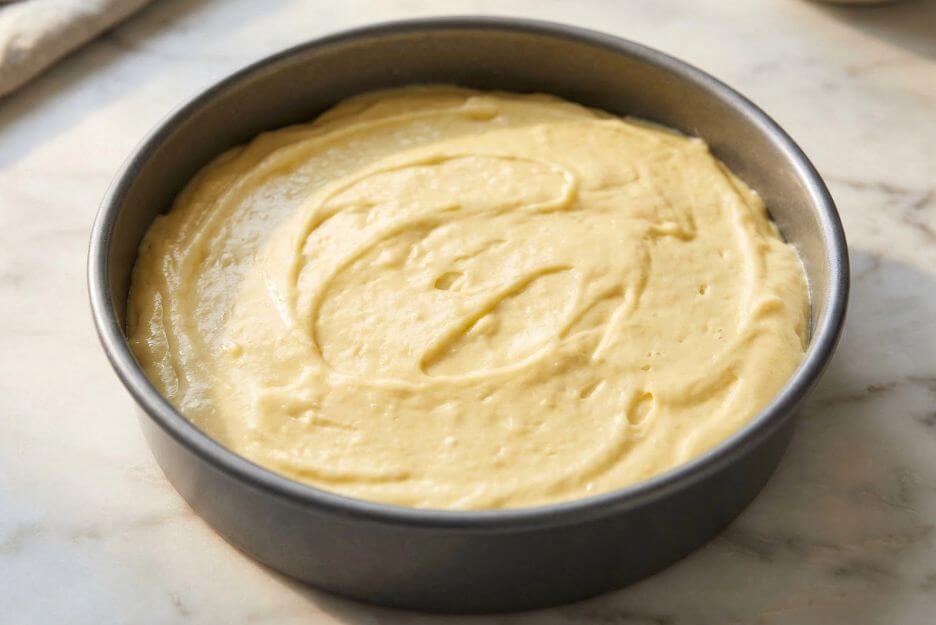
- Preheat and Prep:Preheat your oven to 180°C (350°F). Grease 8-inch cake tin with butter and line the bottom with parchment paper. This prevent the delicate sponge from sticking.
- Cream the Butter and Sugar:In a large bowl, beat the softened butter and granulated sugar together. Use your mixer on medium-high for about 5 minutes until the mixture is pale and significantly increased in volume.
- Add the Eggs One by One:Add the eggs to the creamed mixture one at a time, beating well after each addition. Tip: If the mixture looks like it’s curdling, add a tablespoon of your measured flour to stabilize it.
- Incorporate the Zest and Juice:Gently stir in the lemon zest and 2 tablespoons of lemon juice. The aroma at this stage is incredible!
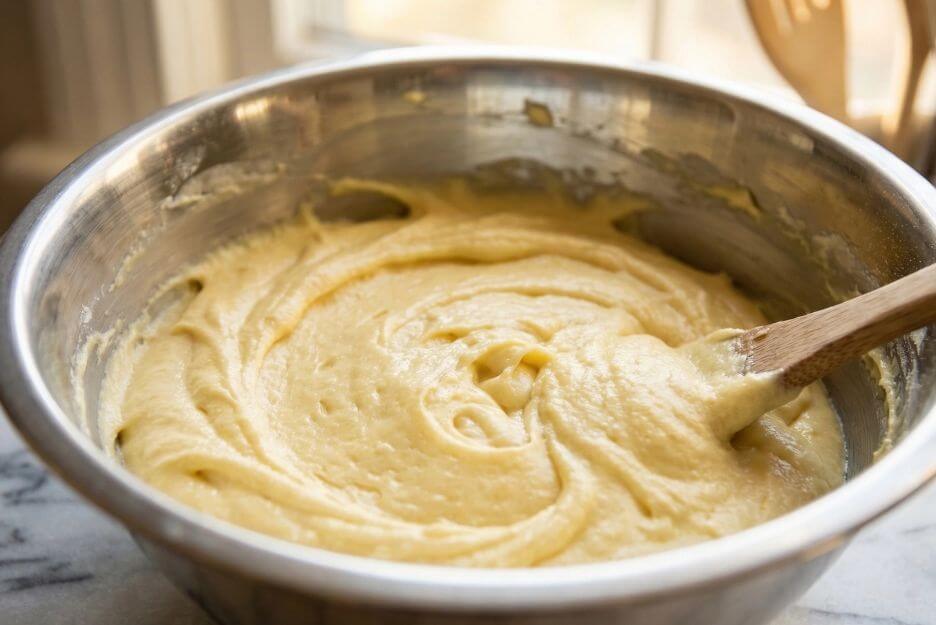
- Sift and Fold the Dry Ingredients:Sift the flour, baking powder, and salt directly into the wet ingredients. Using a large metal spoon or spatula, gently fold the flour in using a figure-eight motion. Do not overmix, or you will lose the air you worked so hard to create.
- Add the Milk:Pour in the milk and fold gently until the batter is smooth and drops easily off the spoon. This ensures you have a soft lemon sponge cake texture.
- Bake to Perfection: Pour the batter into your prepared pan and smooth the top. Bake for 45-55 minutes. The cake is done when a wooden skewer inserted into the center comes out clean. If the top is browning too quickly after 30 minutes, tent it loosely with aluminum foil.
- Cooling Down:Let the cake rest in the tin for 10 minutes before turning them out onto a wire cooling rack. Remove the parchment paper and allow them to cool completely.
- Glaze and Serve:Whisk the powdered sugar and lemon juice together until smooth. Drizzle over the cooled cake and top with extra zest.

Expert Tips & Variations
- Don’t Over-Zest: Stop grating once you reach the white part (the pith) of the lemon skin; it’s very bitter and can ruin the flavor profile.
- Room Temperature is Non-Negotiable: Cold eggs can cause the butter to seize, resulting in a dense, lemon pound cake texture rather than a light sponge.
- The “Drop” Test: Your batter should be of “dropping consistency” it should fall off a spoon in about 2-3 seconds. If it’s too thick, add a teaspoon more milk.
- Avoid Peeking: Don’t open the oven door before the 20-minute mark, or the sudden drop in temperature might cause the center to sink.
- Variation – Lemon Poppy Seed: Add 2 tablespoons of blue poppy seeds during the flour-folding stage for a delightful crunch.
- Variation – Lemon Blueberry: Toss a half-cup of blueberries in a teaspoon of flour (to prevent sinking) and fold them in last.

Nutritional Information
Per Serving (Based on 12 slices):
| Nutrient | Amount |
| Calories | 285 kcal |
| Total Fat | 15g |
| Saturated Fat | 9g |
| Cholesterol | 85mg |
| Sodium | 180mg |
| Total Carbs | 34g |
| Sugars | 22g |
| Protein | 4g |
Health Benefits: Lemons are an excellent source of Vitamin C and antioxidants. While this is a treat, using fresh citrus provides a natural mood boost and aids digestion!
Disclaimer: Nutritional values are estimates based on standard ingredients.
Storage & Reheating Instructions
- Room Temperature: Keep the cake in an airtight container for up to 3 days. The glaze helps lock in moisture.
- Fridge: You can refrigerate the cake for up to 5 days, but be aware that the fridge can dry out sponge cakes. Wrap it tightly in plastic wrap.
- Freezing: This cake freezes beautifully! Wrap unglazed layers in plastic wrap and then foil. They stay fresh for up to 3 months. Thaw at room temperature before glazing.
- Reheating: If a slice has gone a bit firm, microwave it for 10-15 seconds to soften the butter fats and restore that “just-baked” feel.
Serving Suggestions
A Lemon Sponge Cake is versatile enough for any occasion. Here are a few ways to serve it:
- The Classic Tea Party: Serve with a dollop of clotted cream and a side of fresh raspberries.
- The Summer Sundae: Toast a slice and top it with a scoop of premium vanilla bean ice cream.
- Beverage Pairing: Pairs perfectly with Earl Grey tea, a crisp Prosecco, or a homemade sparkling lemonade.
- Garnish Idea: Use candied lemon peels or edible pansies for a high-end bakery look.
FAQ Section
Why is my lemon sponge cake dry?
Usually, a dry cake is the result of over-baking or adding too much flour. Ensure you measure your flour using a scale for precision, and start checking the oven 5 minutes before the timer goes off.
Can I use bottled lemon juice?
While you can, we don’t recommend it. Fresh lemon juice has a brightness and essential oil content from the zest that bottled versions simply cannot replicate.
My cake didn’t rise, what happened?
This usually happens if the baking powder is expired or if the butter and sugar weren’t creamed long enough. The air bubbles created during creaming are what make a fluffy lemon sponge cake.
Can I turn this into cupcakes?
Absolutely! Fill cupcake liners 2/3 full and bake at the same temperature for 15–18 minutes.
Is this the same as a lemon pound cake?
Not quite. A lemon pound cake is traditionally much denser with a 1:1:1:1 ratio of flour, butter, eggs, and sugar. This sponge recipe is lighter and more aerated.
Mastering the perfect Lemon Sponge Cake is a rite of passage for any home baker. It’s a recipe that relies on simple ingredients but delivers a sophisticated, joyful result. Whether you are baking for a birthday or just want to brighten up a Tuesday, this cake never fails to deliver.
The key takeaway? Take your time with the creaming process and treat those lemons with respect! You’ll end up with a moist lemon sponge cake that your friends and family will be begging for every weekend.
More Easy Cakes:

Lemon Sponge Cake Recipe That Is Easy to Make
Course: Cakes12
servings20
minutes45
minutes285
kcalThis easy Lemon Sponge Cake recipe is incredibly moist and fluffy. Bursting with bright citrus flavor, it’s the perfect dessert for any occasion.
Ingredients
- For the Sponge:
All-Purpose Flour: 250g (approx. 2 cups), sifted.
Granulated Sugar: 200g (1 cup).
Unsalted Butter: 225g (1 cup), softened to room temperature.
Fresh Lemon Zest: 2 large lemons, Use untreated or organic lemons for the best, most aromatic zest.
Large Eggs: 4, room temperature.
Baking Powder: 2 teaspoons.
Fresh Lemon Juice: 2 tablespoons.
Whole Milk: 3 tablespoons.
Salt: ½ teaspoon.
- For the Lemon Glaze
Powdered Sugar: 150g (1 ¼ cups).
Fresh Lemon Juice: 2–3 tablespoons (adjust for consistency).
Lemon Zest: For garnish.
Instructions:
- Prep:Preheat oven to 180°C (350°F). Grease and parchment-line an 8-inch cake tin.
- Cream:Beat butter and sugar on medium-high for 5 minutes until pale and fluffy.
- Add Eggs:Beat in eggs one at a time (add 1 tbsp flour if the batter curdles).
- Flavor:Gently stir in lemon zest and 2 tbsp lemon juice.
- Fold Dry:Sift in flour, baking powder, and salt. Gently fold until combined without overmixing.
- Add Milk:Fold in milk until batter is smooth and drops easily from a spoon.
- Bake:Pour into tin and bake for 45–55 minutes (skewer comes out clean). Tent with foil if browning early.
- Cool:Rest in tin for 10 minutes, then transfer to a wire rack to cool completely.
- Glaze:Whisk powdered sugar with remaining lemon juice, drizzle over cooled cake, and garnish with zest.